
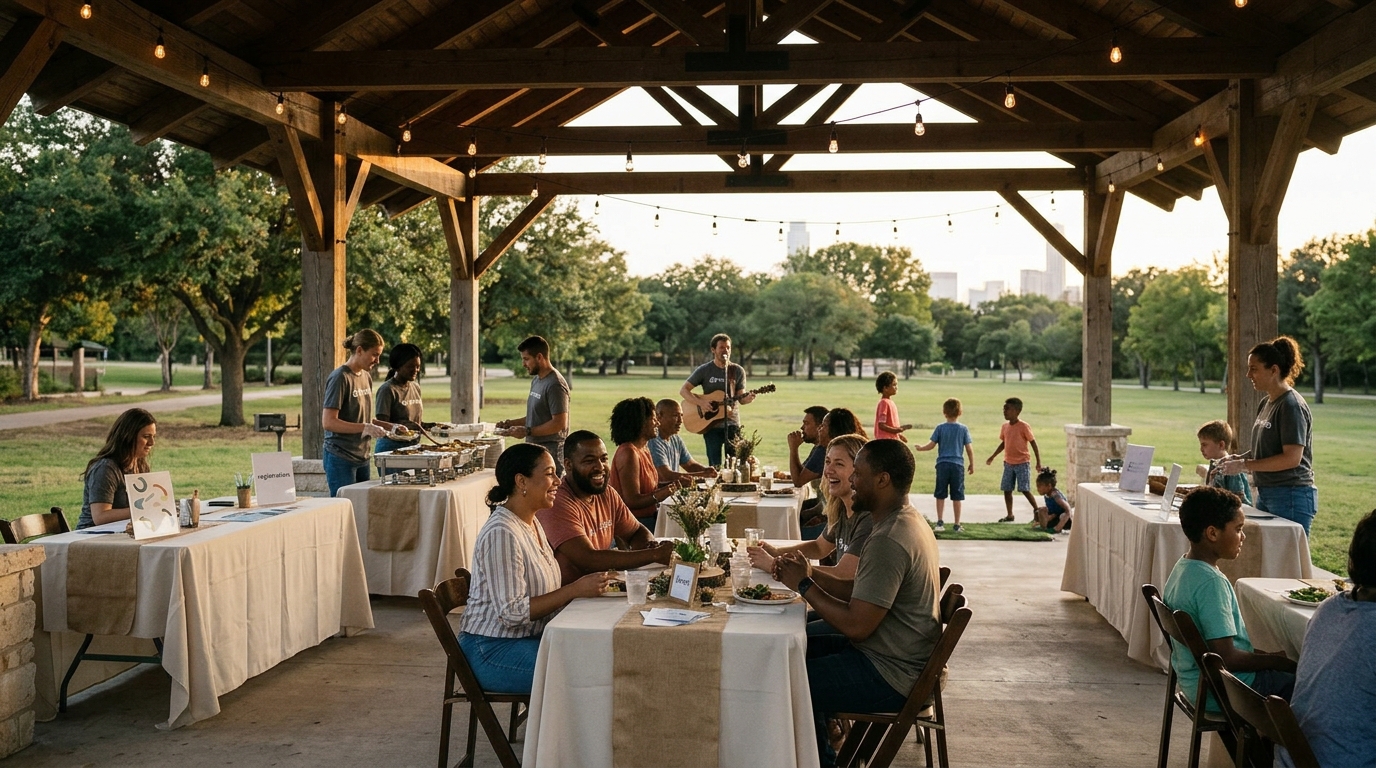
Choosing a budget-friendly venue is critical for nonprofit fundraising. Park pavilions offer a cost-effective alternative to traditional event centers by reducing rental fees and providing flexible outdoor space. This guide explains how these venues help organizations maximize their budget while hosting successful community events. according to Unclaimed Money Monterey For additional details, review the Terms of Service.
Understanding the Cost Structure of Outdoor Venues
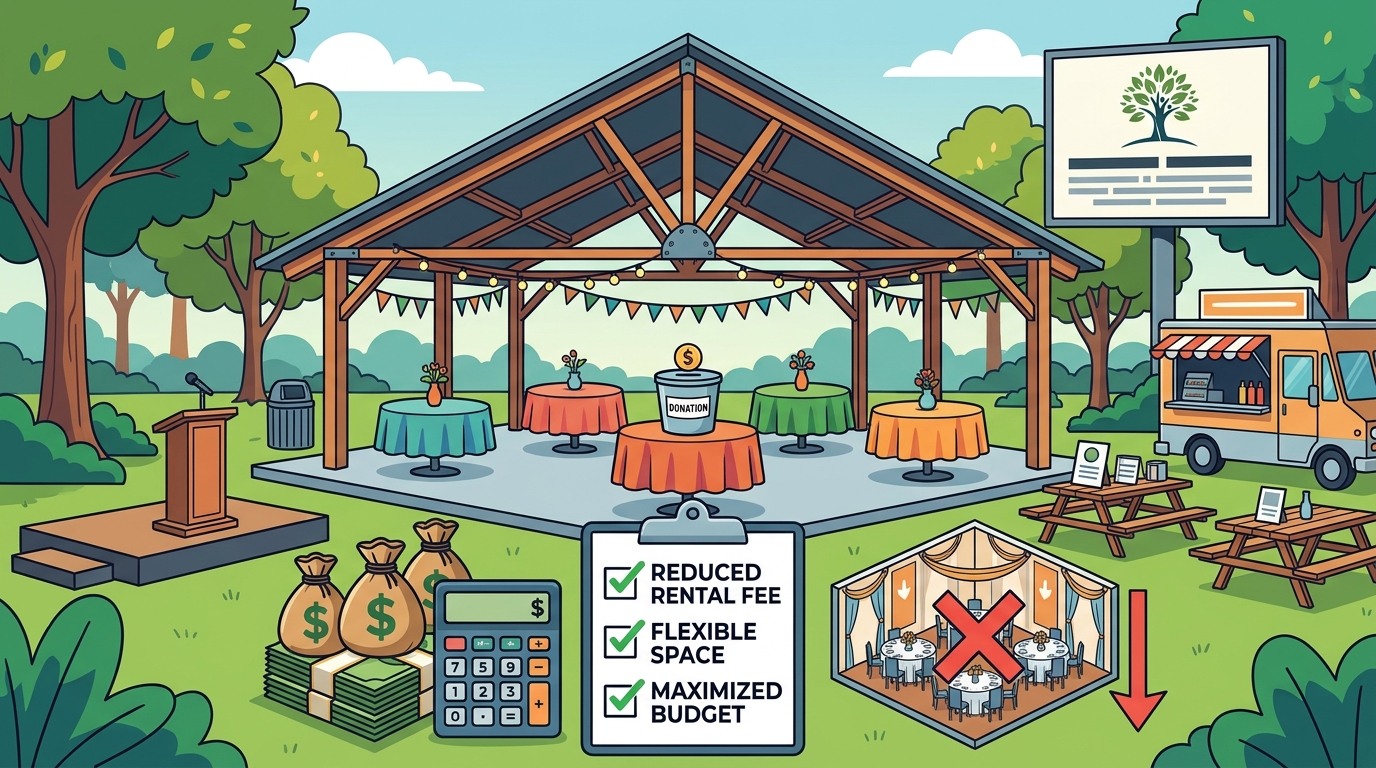
Traditional indoor venues often charge premium rates for climate control, advanced lighting, and built-in audio-visual equipment. Park pavilions operate on a different economic model. They typically charge a flat rental fee that covers the structure and basic amenities. This simplicity allows nonprofits to allocate more funds directly to their cause rather than venue overhead.
The primary financial advantage is the reduction in per-person costs. When a venue is free or low-cost, the organization can lower ticket prices or increase the number of attendees without raising the total budget. This accessibility is vital for community-focused fundraisers. It ensures that the event remains inclusive for all income levels.
Identifying Hidden Savings in Venue Selection
Many organizations overlook the indirect costs associated with indoor spaces. These include mandatory insurance requirements, strict noise curfews, and limited parking availability. Park pavilions often mitigate these issues. They usually offer ample free parking and fewer regulatory restrictions. This reduces the need for expensive third-party vendors for security or traffic control.
Additionally, outdoor spaces can reduce the need for elaborate decor. The natural environment provides a scenic backdrop that requires minimal enhancement. This allows the nonprofit to save on floral arrangements and lighting rentals. The savings can be redirected toward programmatic goals or donor appreciation.
Managing Logistics and Weather Risks
While park pavilions offer financial benefits, they present unique logistical challenges. Weather is the primary variable. Nonprofits must have a contingency plan for rain or extreme heat. This might involve renting tents or securing an adjacent indoor space. Planning for these scenarios prevents last-minute expenses that could erode the initial savings.
Accessibility is another key factor. Ensuring the pavilion is ADA compliant is essential for inclusivity. Organizations should verify that pathways are paved and restrooms are accessible. Northpoint Center, for example, offers spaces with full accessibility features, ensuring that all guests can participate comfortably. This commitment to accessibility protects the organization from liability and enhances the guest experience.
The Hybrid Approach: Combining Outdoor and Indoor Spaces
Many successful fundraisers use a hybrid model. They host the main event in an outdoor pavilion and use an adjacent indoor room for overflow or special presentations. This approach combines the low cost of outdoor space with the comfort of indoor amenities. It provides flexibility for different event segments, such as a dinner in the pavilion and a keynote in a meeting room.
Maximizing Donor Impact with Strategic Venue Choice
The choice of venue directly influences donor perception. A well-maintained, accessible space signals professionalism and care. It shows that the organization values the donor's time and comfort. This perception can lead to higher donation amounts and increased volunteer engagement. The venue is not just a backdrop; it is a tool for storytelling and connection.
By choosing a cost-effective venue, nonprofits can demonstrate fiscal responsibility. Donors are more likely to support organizations that manage their resources wisely. This transparency builds trust and long-term relationships. It positions the nonprofit as a reliable partner in the community.
Key Takeaways
- Park pavilions reduce per-person costs by offering flat-rate rentals.
- Outdoor spaces often eliminate the need for expensive decor and lighting.
- Accessibility and weather planning are critical for successful outdoor events.
- Choosing a professional venue enhances donor perception and trust.
- Northpoint Center provides versatile spaces that support both large and small gatherings.
Frequently Asked Questions
Are park pavilions suitable for large fundraisers?
Yes, many park pavilions can accommodate large groups. However, you should verify the capacity and accessibility features before booking. Northpoint Center offers spaces like the Auditorium that can seat up to 800 guests, making it suitable for large-scale events.
How do I handle bad weather at an outdoor event?
You should have a backup plan, such as renting a tent or securing an adjacent indoor room. It is also wise to communicate the weather policy to guests in advance.
Do park pavilions include audio-visual equipment?
Basic equipment is often included, but advanced AV systems may require additional rental. Northpoint Center includes professional AV and lighting in its spaces, which can save on vendor costs.
Is parking usually included with park pavilion rentals?
Most park pavilions offer free on-site parking. This is a significant cost saving compared to urban venues that charge for parking.
How far in advance should I book a venue?
It is recommended to book several months in advance, especially for popular dates. Early booking ensures availability and may allow for better pricing.
Conclusion
Choosing the right venue is a strategic decision for any nonprofit. Park pavilions offer a compelling option for saving money while hosting impactful fundraisers. By understanding the cost structure and planning for logistics, organizations can maximize their budget. Northpoint Center provides a range of flexible spaces that support this goal. To explore how our spaces can fit your event, today.