
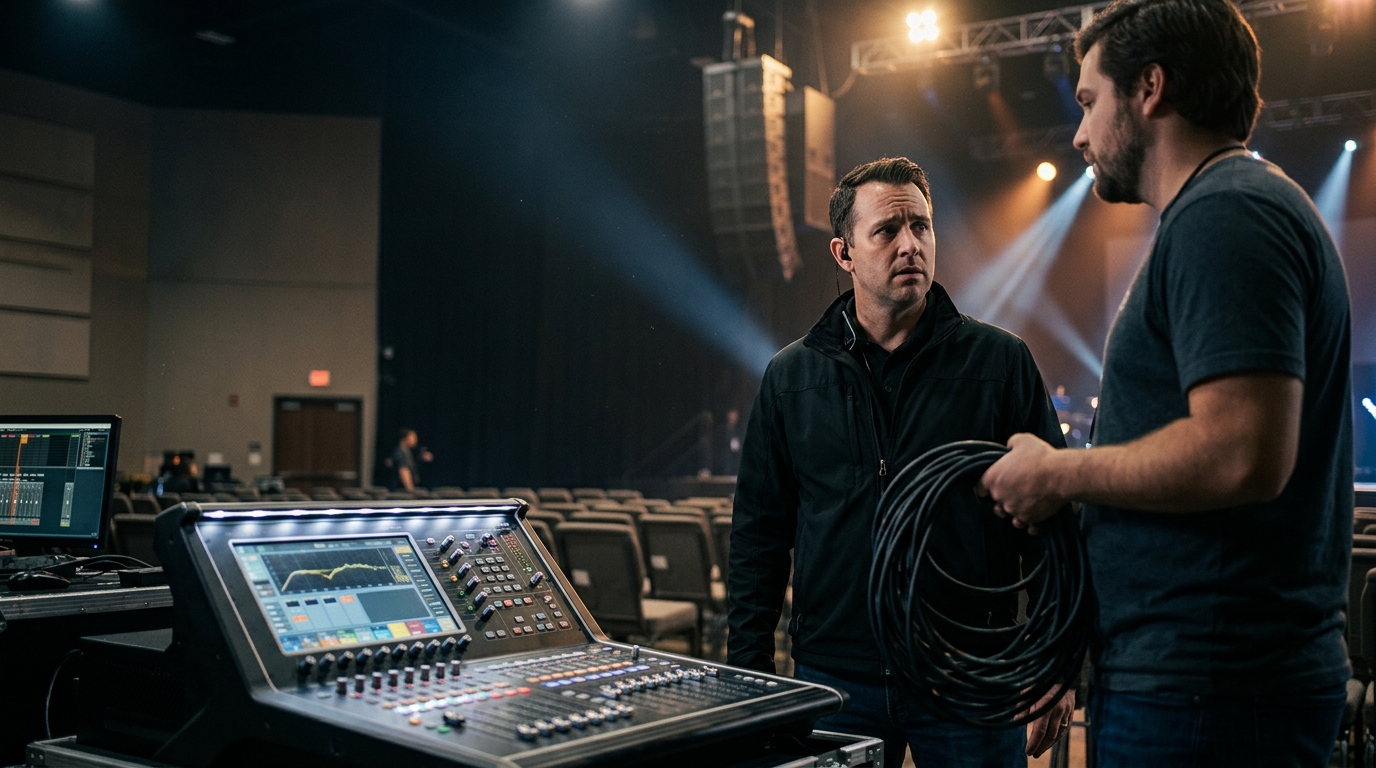
Planning a large-scale event in the Austin metro area involves navigating complex logistical requirements, particularly when it comes to audio-visual technology. According to industry data, over 60% of event production delays stem from uncoordinated technical setups rather than venue capacity issues. This statistic highlights a critical gap in how organizers approach technology planning. Many planners assume that "AV included" means a seamless experience, but the reality of event production is far more nuanced. Understanding the specific infrastructure of your chosen venue is the first step toward avoiding costly errors. This guide explores the most frequent technical missteps and how to align your expectations with the operational realities of modern event spaces.
Understanding What "Included" AV Actually Means
One of the most pervasive myths in event planning is that "included technology" covers all technical needs. In reality, standard venue packages typically provide basic infrastructure rather than bespoke production. For instance, a standard package might include a projector and a basic sound system, but it rarely covers high-definition LED walls, complex lighting rigs, or specialized audio mixing for live bands. Clarifying the scope of included technology is essential before signing a contract.
When you review a venue's offerings, look for specific hardware specifications. Does the venue provide HDMI connectivity for every table, or just at the front? Are the screens 4K capable, or standard definition? At facilities like Northpoint Center, the distinction is clear: they offer built-in LED screens and professional AV systems that are integrated into the space. This integration reduces the need for external rentals, which often come with hidden delivery and setup fees. Understanding this difference helps you budget accurately and avoid surprise costs on event day.
Another common mistake is assuming that "included" means "unlimited." Many venues have caps on usage hours or bandwidth. If you are planning a multi-day conference, you need to know if the AV team is available for setup and teardown outside of standard business hours. Professional production staff are often available for hire to manage these complexities, ensuring that your technical vision is executed without strain on the venue's default resources.
Capacity and Layout Mismatches
Technical performance is directly tied to room geometry and audience density. A common error is booking a space based solely on square footage without considering how the AV equipment will perform in that specific configuration. For example, a sound system designed for a theater-style setup may not provide even coverage in a banquet-style layout where tables obstruct line-of-sight for speakers.
Consider the Auditorium at Northpoint Center, which seats up to 800 guests in theater style or 325 in banquet style. The acoustic properties and visual clarity change significantly between these two layouts. If you book the space for a banquet but plan a keynote speech, you might find that the audio is muddy or the screen is too small for the back rows. Always request a technical layout diagram from the venue before finalizing your floor plan.
Furthermore, stage dimensions matter. A 30' x 27' 10" stage provides ample space for panels and performers, but if you are planning a concert with a large band, you need to ensure the stage can accommodate the equipment load. Overcrowding the stage can lead to technical failures, including tripped breakers or obstructed camera angles for live streams.
Connectivity and Integration Failures
In the era of hybrid events, reliable connectivity is non-negotiable. A frequent mistake is assuming that "Wi-Fi included" is sufficient for high-bandwidth activities like live streaming or real-time polling. Standard venue Wi-Fi is often designed for general guest use and may throttle during peak usage. Verify the bandwidth capacity and dedicated network options with your venue.
Integration of personal devices is another pain point. Planners often forget to check if the venue's AV system supports the specific input types their speakers will use. While most modern venues offer HDMI and AppleTV compatibility, older systems might require adapters that are not readily available. At Northpoint Center, all spaces are equipped with TVs, whiteboards, and projection systems, but confirming the specific input protocols for your presentation is a critical step.
Another oversight is the lack of backup systems. What happens if the primary projector bulb blows? Does the venue have a backup generator for the AV rack? These questions are vital for high-stakes events. Venues that invest in professional-grade infrastructure, such as the LED screens in the Auditorium, often provide more robust backup protocols than those relying on portable equipment.
Staffing and Production Support
Technology is only as good as the people operating it. A major mistake is assuming that the venue's default staff can manage complex technical requirements. While venue staff are excellent at hospitality and logistics, they are not necessarily certified AV technicians. Distinguish between venue staff and specialized production teams.
For events requiring complex lighting cues, multi-camera setups, or live sound mixing, you need a dedicated production team. Production managers like those at Northpoint Center understand the intricacies of signal flow, audio feedback loops, and visual synchronization. Hiring this expertise ensures that your event runs smoothly and that any technical glitches are resolved instantly.
Additionally, consider the timing of setup and teardown. Many venues charge extra for after-hours access. If your production team needs to load in equipment at 6 AM, ensure that the venue's security and access protocols are in place. Contacting the venue early to coordinate these logistics can prevent costly delays and ensure that your team has the access they need to prepare.
Comparing Venue AV Capabilities
Not all venues are created equal when it comes to technology. Some spaces are designed for intimate meetings, while others are built for large-scale productions. Understanding these differences helps you choose the right partner for your event.
| Venue Type | Typical AV Inclusions | Best For | Potential Pitfalls |
|---|---|---|---|
| Board Meeting Room | Basic projector, small screen, HDMI | Small workshops, leadership meetings | Limited scalability for large audiences |
| Auditorium | LED screens, pro audio, lighting | Conferences, galas, concerts | Higher cost, requires production staff |
| Large Classroom | Whiteboards, basic AV | Training sessions, breakout groups | Limited stage presence capabilities |
| Flexible Event Spaces | Customizable layouts, mixed tech | Hybrid events, multi-purpose needs | Requires detailed planning for setup |
When comparing options, look beyond the price tag. Consider the flexibility of the space and the quality of the integrated technology. A venue with a lower rental fee but poor AV infrastructure may end up costing more due to external rentals and technical failures.
Key Takeaways
- Clarify "Included" AV: Standard packages rarely cover bespoke production needs; always request a detailed hardware list.
- Match Layout to Tech: Ensure the AV system is calibrated for your specific seating configuration, whether theater or banquet.
- Verify Connectivity: Confirm bandwidth capacity and input compatibility for all speakers and devices.
- Hire Production Staff: Distinguish between venue hospitality staff and certified AV technicians for complex events.
- Plan Logistics Early: Coordinate load-in times and access protocols to avoid after-hours fees and delays.
- Check Stage Dimensions: Ensure the stage can accommodate your equipment load and performer needs.
- Review Backup Protocols: Ask about backup generators and redundant systems for critical technical components.
Frequently Asked Questions
What is the difference between venue AV and external AV rental?
Venue AV refers to the built-in technology provided by the facility, such as LED screens and integrated sound systems. External AV rental involves bringing in third-party equipment, which can incur additional delivery, setup, and labor fees. Venue AV is often more cost-effective and reliable for standard events.
How many guests can the Auditorium at Northpoint Center seat?
The Auditorium can accommodate up to 800 guests in a theater-style setup or 325 guests in a banquet-style configuration. This flexibility allows for various event types, from large conferences to intimate galas.
Is Wi-Fi included in all event spaces?
Yes, all spaces within Northpoint Center offer Wi-Fi connectivity. However, for high-bandwidth needs like live streaming, it is recommended to discuss dedicated network options with the venue.
Can I customize the layout of the Auditorium?
Absolutely. The Auditorium is designed with flexible layouts to support conferences, concerts, banquets, and ceremonies. You can configure the room to meet your specific event requirements.
What kind of A/V equipment is available in the Board Meeting Room?
The Board Meeting Room is equipped with presentation-ready technology, including HDMI connectivity and projection capabilities. It is designed for productive conversations and small group gatherings.
Do I need to hire a production team for my event?
For events with complex technical needs, such as live sound mixing or multi-camera setups, hiring a production team is highly recommended. Professional production staff can ensure seamless execution and troubleshoot any issues in real-time.
What are the hours of operation for event rentals?
Northpoint Center is available for rent from 8 AM to 11 PM Monday through Friday and 8 AM to 9 PM on Saturdays. The space is not available for Sunday rentals.
Next Steps for Your Event
Avoiding AV mistakes starts with informed planning and clear communication. By understanding the technical capabilities of your venue and the specific needs of your event, you can create a seamless and impactful experience for your guests. Contact the team at Northpoint Center today to schedule a tour and discuss your vision. Our experts are ready to help you navigate the complexities of event production and ensure your next gathering is a success.